The Wolf: A Premium Display Font for High-Impact Campaigns
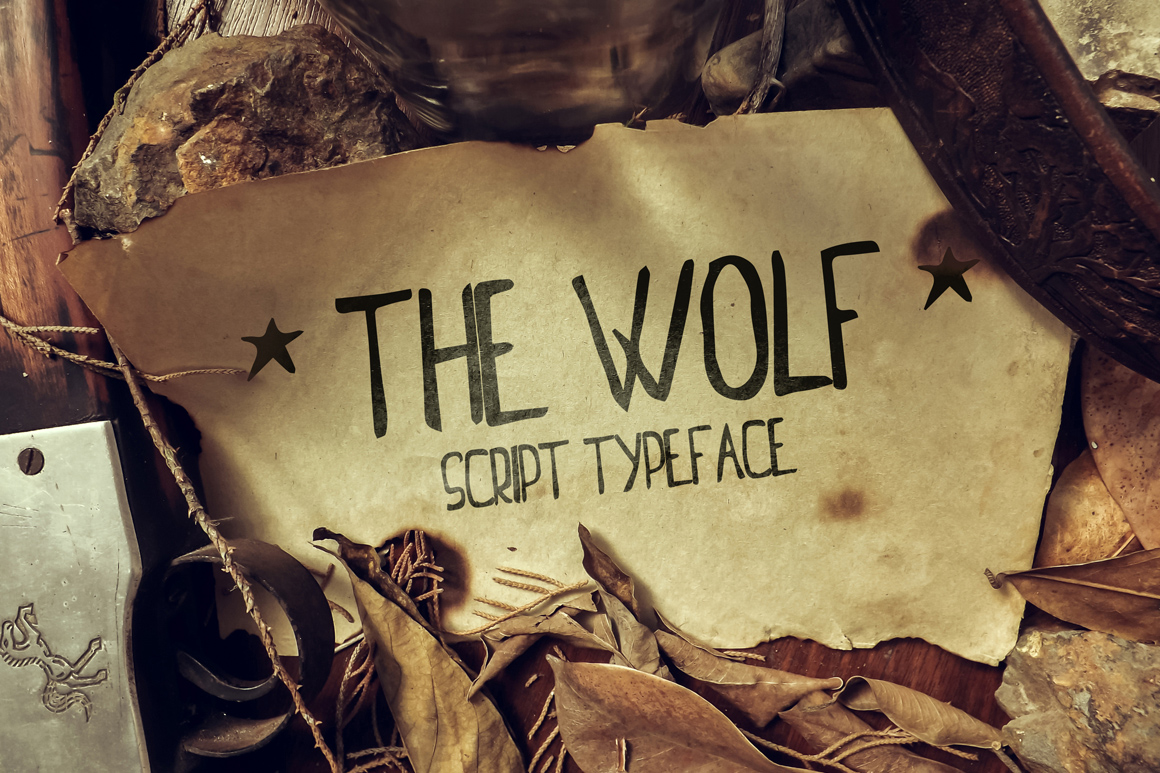
When I opened the campaign brief for our upcoming seasonal product teaser, the first thing I needed was a Display typeface that could instantly grab attention without feeling generic. That is when I pulled up The Wolf, a beautiful handdrawn creation by Pere Esquerrà, to test its performance in real-world digital assets. As a designer who lives in the workflow of social media strategies and ad creatives, I know that the right font can be the difference between a scroll-past and a click-through. This review explores how this specific typeface performs when applied to high-stakes promotional visuals, from Instagram story overlays to YouTube thumbnail headers.
The Wolf for Social Media Graphics and Instagram Feeds
In the chaotic environment of an Instagram feed, The Wolf stands out as a creative font that demands to be seen within the first 0.5 seconds. During my recent testing phase for a brand identity refresh, I used this display font for a series of carousel posts announcing a limited-time offer. The handdrawn quality of the letters gives it a distinct personality that feels authentic rather than mass-produced, which resonates well with audiences tired of sterile corporate designs. When placed over vibrant photography or textured backgrounds, the unique strokes of The Wolf create a visual hierarchy that guides the eye directly to the call-to-action. It excels as a headline font for short copy, allowing marketers to convey urgency and excitement without cluttering the design. However, because of its decorative nature, it is best reserved for titles and key phrases rather than long captions where readability might suffer on smaller mobile screens.
The Wolf for YouTube Thumbnails and Video Content
Video creators often struggle to find a typeface that balances style with legibility at small sizes, but The Wolf offers a compelling solution for video branding. I tested this font against various thumbnail layouts for a digital course launch, pairing it with bold imagery to ensure the text popped even when viewed on a smartphone. The strong character of the handdrawn strokes ensures that the main message remains clear despite the busy visual noise often found in video content. For YouTubers and streamers looking to establish a memorable brand, using The Wolf for channel logos or episode title cards adds a layer of artistic flair that sets their content apart from standard templates. While it works beautifully for large, bold headlines, I recommend keeping the text count low; this font is designed to make a statement, not to carry dense information. Its dynamic shape allows it to act as a graphic element itself, reducing the need for extra decorative icons in your thumbnails.
The Wolf for Email Banners and Promotional Ads
Email marketing campaigns rely heavily on the first impression created by the banner image, and The Wolf delivers a premium look that elevates the perceived value of the message. In a recent email promotion for an online shop, I utilized this display font to highlight the sale percentage and the event name. The organic feel of the handdrawn lines softens the commercial edge of a sales pitch, making the advertisement feel more like a personal invitation than a hard sell. When designing digital ads for platforms like Facebook or Pinterest, the unique texture of these fonts helps break through the visual fatigue users experience while scrolling. It is particularly effective for creating a cohesive look across a campaign set, ensuring that your banners, social posts, and landing page headers all share a unified voice. Just remember to check the contrast levels carefully, especially if placing the white or light-colored letterforms on dark backgrounds, to maintain maximum visibility.
The Wolf for Brand Identity and Packaging Design
Building a consistent brand identity requires typography that can adapt to various mediums while retaining its core personality, and The Wolf proves versatile enough for both digital and print applications. I explored its potential for packaging design concepts, where the handdrawn aesthetic adds a touch of craftsmanship that modern consumers appreciate. Whether you are designing labels for artisanal products, stickers for merchandise, or headers for a website, this font brings a sense of human connection that algorithmic typefaces often lack. For designers looking to build a full modern typography system, The Wolf pairs exceptionally well with clean sans serif fonts for body text, creating a balanced composition where the display font handles the emotion and the supporting font handles the clarity. Before integrating it into a client's project, it is wise to verify the included styles and multilingual support to ensure it meets the specific requirements of your global audience.
Best Practices for Pairing and Using The Wolf
To get the most out of this handdrawn masterpiece, strategic font pairing is essential for maintaining professional polish in your designs. I found that combining The Wolf with a neutral, geometric sans serif creates a striking contrast that enhances readability without diminishing the font's charm. This combination works perfectly for editorial design, where the display font captures attention in headlines while the sans serif carries the narrative flow. Conversely, pairing it with a delicate script font can sometimes result in visual competition, so it is safer to keep the secondary typeface simple and understated. When working on fast-scrolling feeds or mobile-first campaigns, prioritize size and spacing; the intricate details of the handdrawn style should not be lost due to tight kerning or insufficient point size. By respecting the font's strengths and limitations, you can leverage its unique character to create campaigns that feel both stylish and strategically sound.