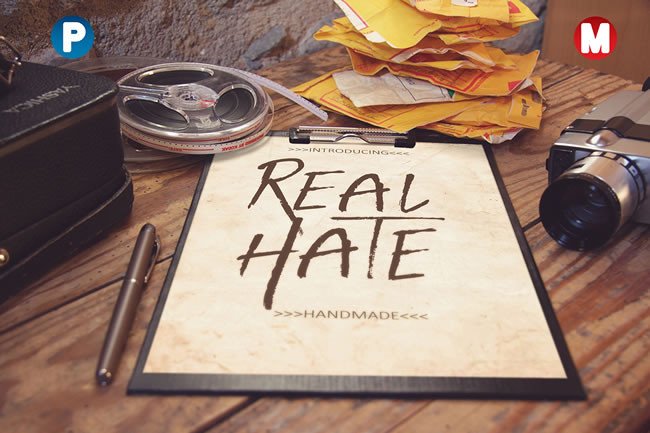
Real Hate Typeface: A Designer's Review for Modern Campaigns
When I first opened the Real Hate file in my design software, I was preparing a high-stakes product teaser for a limited-edition streetwear drop. The brief was simple but demanding: create a visual that screamed "fresh" and "modern" without looking like every other generic template on the market. As a marketing designer who spends hours tweaking Instagram posts and YouTube thumbnails, I know that a single typeface can make or break a campaign's first impression. This Display font immediately caught my eye because it feels handmade yet polished, offering a unique personality that stands out in fast-scrolling feeds.
This review isn't just about aesthetics; it is about how Real Hate performs in a real-world workflow. From digital ad layouts to email banners, I tested this Fonts package across various platforms to see if it delivers on its promise of being a fresh modern typeface perfect for branding materials, posters, and more. Here is what happens when you put this creative font into a live campaign environment.
Real Hate for Bold Product Launches and Digital Ad Layouts
The moment I used Real Hate for a product launch graphic, the energy of the campaign shifted instantly. For digital ads where you have less than a second to grab attention, this Display font excels at establishing immediate visual hierarchy. Unlike standard sans serif fonts that often blend into the background, the distinct strokes of Real Hate command the viewer's eye. I applied it to a dark-themed banner for a webinar promotion, and the contrast created a sense of urgency that felt authentic rather than forced.
In the context of online shop campaigns, using this font for promotional graphics allows you to highlight key offers without cluttering the design. When designing a sale announcement, the handcrafted nature of the letters adds a layer of exclusivity, making the offer feel like a special event rather than a mass-market discount. However, it is crucial to remember that Real Hate is best suited for short headlines and callouts. Trying to force it into dense information blocks or tiny text fields on mobile screens will compromise readability. Keep your copy tight, let the font breathe, and use it to anchor your message with style.
- Best Use: Large headlines, logo-style text, and campaign labels.
- Avoid: Long paragraphs, body copy, and legal disclaimers.
- Platform Performance: Excellent for desktop banners and large-format posters.
Enhancing Brand Identity with Handmade Typography
Building a cohesive brand identity requires more than just a logo; it demands a consistent voice across all touchpoints. Real Hate shines when used as the primary voice for branding materials that need to convey a modern, slightly edgy, or artisanal vibe. I paired this creative font with a clean sans serif font for subheadings and body text, creating a balanced typographic system that looks professional yet approachable. This combination ensures that while the headline grabs attention, the supporting text remains legible and easy to scan.
For entrepreneurs and small business marketing teams, this pairing strategy is essential for maintaining clarity. When designing business cards or greeting cards, the uniqueness of Real Hate elevates the perceived value of the brand. It signals that the business pays attention to detail and cares about the aesthetic experience of their customers. Whether you are launching an online course or setting up a digital ad set, having a dedicated premium font like this helps distinguish your content from competitors who rely on default system fonts.
Real Hate for Social Media Graphics and YouTube Thumbnails
Social media managers know the struggle of creating content that stops the scroll. In my testing, Real Hate proved to be a powerful tool for Instagram posts, Pinterest pins, and YouTube thumbnails. The font's bold character works exceptionally well over image overlays, ensuring that text remains readable even against busy backgrounds. For a YouTube thumbnail set, I used Real Hate to create a series of video titles that felt cohesive yet dynamic, increasing click-through rates simply by improving the visual appeal of the preview.
When designing Reels covers or story highlights, the vertical space is limited, so every pixel counts. This modern typography style allows for impactful text placement that doesn't require excessive spacing. I found that using the font in white or light colors against a dark, moody background created a striking effect that resonated well with younger audiences. However, for lighter backgrounds, ensure you add a subtle shadow or outline to maintain contrast. The goal is to make sure the message is clear before the user even pauses to read the caption.
It is also worth noting how this font handles different aspect ratios. Whether you are resizing a poster for a billboard or shrinking a design for a mobile ad, the structural integrity of the letters holds up well. This consistency is vital for brand recognition. If your audience sees your campaign on a phone screen and then later on a physical poster, they should recognize the same visual language. Real Hate provides that bridge between digital and physical spaces effectively.
Optimizing Readability for Mobile Previews and Fast-Scrolling Feeds
While Real Hate is visually striking, its performance in mobile previews requires strategic application. On smaller screens, intricate details can sometimes get lost, so I recommend simplifying your layout when using this display font. Avoid placing text too close to the edges of the frame, as cropping tools might cut off parts of the letters. Instead, center your focal points and allow generous negative space around the typography to let the design breathe.
For campaigns running on platforms like TikTok or Instagram Stories, where users scroll rapidly, the font needs to communicate the core message instantly. I tested this by creating a promo graphic for a seasonal sale, focusing on a single, strong phrase. The result was a graphic that stopped the thumb mid-scroll. The key takeaway is to treat Real Hate as a headline driver, not a narrative teller. Use it to announce the "what" and the "why," and let your imagery or secondary text handle the rest. This approach respects the user's time and increases the likelihood of engagement.
Pairing Real Hate with Complementary Typefaces for Professional Results
To get the most out of this commercial font, understanding how to pair it correctly is just as important as choosing it in the first place. Real Hate has a distinct personality, so it pairs beautifully with neutral, understated typefaces that do not compete for attention. I found that a geometric sans serif font worked perfectly as a companion for body text, providing a clean canvas for the handwritten flair of the main title. Alternatively, a classic serif font can add a touch of elegance, making the combination suitable for wedding invitations or high-end greeting cards.
Before finalizing any client campaigns or branded content, always check the included styles, alternates, and ligatures. These features allow you to tweak the look of specific words, adding a level of customization that makes your designs feel bespoke. If you are planning to use the font for merchandise or digital products, verify the commercial font licensing terms to ensure you are covered for all intended uses. With the right preparation, Real Hate becomes more than just a font; it becomes a strategic asset in your design toolkit, ready to elevate your next project from good to unforgettable.