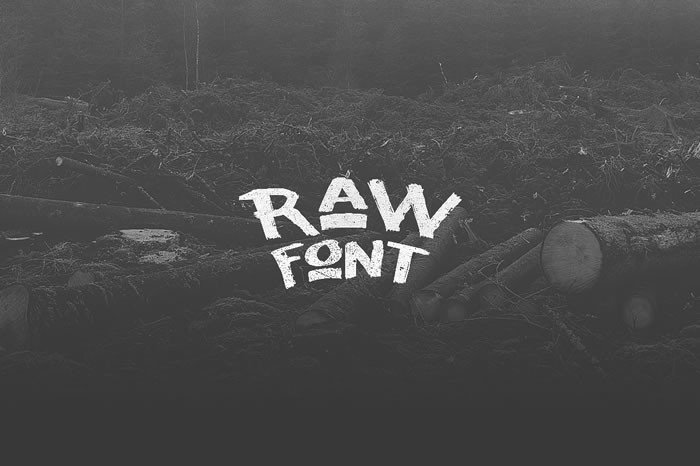
Raw Typeface: A Tough Handmade Font for Editorial Design
I remember the exact moment I needed a new font for my latest editorial project. It was a Sunday afternoon, and I was staring at a blank digital canvas, trying to design the cover for a printable wellness workbook. The content was grounded and authentic, but every standard sans-serif felt too sterile, and every script looked too flowery. I needed something that carried weight without sacrificing readability. That is when I decided to test Raw, a tough handmade typeface that promised to be easy to use and perfect for your next raw design.
This wasn't just about finding a pretty letterform; it was about establishing a visual rhythm that matched the tone of the guide I was creating. As an editor who spends hours refining layouts, I know that the right display fonts can transform a simple PDF into a compelling narrative tool. Below, I will share how this specific Raw style performed in a real-world scenario, focusing on its character, versatility, and impact on reader engagement.
Why Raw Works Best for Bold Blog Headers and Magazine Covers
Raw immediately stood out when I applied it to the main headline of my lifestyle blog redesign. Unlike delicate serifs or geometric sans-serifs, this display font brings an organic, slightly imperfect texture that feels hand-crafted yet highly legible. When used as a raw design element for magazine covers or article titles, it commands attention without shouting.
- The thick strokes provide excellent visibility on mobile screens where small text often gets lost.
- The handmade quality adds a layer of trust, suggesting that the content behind the header is genuine and curated by a human.
- It creates a strong visual anchor that guides the eye naturally down the page.
I found that pairing this bold fonts selection with a clean, understated serif for body copy created a perfect balance. The contrast between the rugged header and the smooth reading text allowed the audience to focus on the message while enjoying the aesthetic appeal of the typography.
Building Identity for Recipe Ebooks and Digital Guides
When I moved from the blog header to designing a recipe ebook, the need for a font that felt "homey" yet professional became urgent. This is where Raw truly shined. Its character mimics the imperfections of brushwork or chisel-cut stone, which fits perfectly with themes of cooking, crafting, or DIY projects. For a raw design approach, you want the typography to feel tactile, almost like you could run your fingers over the letters.
In the context of a digital guide, the display nature of Raw allows chapter openers to pop off the screen. I tested it on section dividers and pull quotes, and the results were consistent: the text felt inviting rather than intimidating. It bridges the gap between modern digital aesthetics and traditional print craftsmanship. Whether you are selling a course PDF or a downloadable planner, using a font like Raw signals to the buyer that they are purchasing a premium, thoughtfully designed asset.
How Raw Enhances Readability in Long-Form Content Layouts
One common misconception about display fonts is that they are only for short bursts of text. However, testing Raw revealed that its structure supports surprisingly good readability even in longer contexts, provided it is used correctly. The key lies in understanding that this is a display font meant to lead, not necessarily to carry the entire weight of a novel-length document. Yet, for subheadings, captions, and introductory paragraphs, it excels.
In my experience with newsletter graphics and social media posts, the unique shapes of the Raw characters prevent the content from blending into the background. The slight variations in stroke width create a dynamic flow that keeps the reader's eye moving. This is crucial for retention rates in email marketing and long-form articles where engagement drops if the visual hierarchy is flat.
- Visual Hierarchy: Use Raw for primary headlines to establish dominance.
- Secondary Emphasis: Apply it to subheads to break up dense blocks of text.
- Brand Consistency: Maintain a unified look across all your fonts assets, from web headers to printed brochures.
For those working on wedding guides or coaching workbooks, the friendly yet sturdy nature of Raw helps soften complex information. It makes the material feel accessible, encouraging readers to dive deeper into the content rather than skimming past a wall of text.
Pairing Strategies for Professional Editorial Design
Selecting the right companion font is just as important as choosing the headline typeface. Since Raw has such a distinct personality, it pairs beautifully with neutral, highly legible typefaces. I recommend combining it with a classic serif font for body text to enhance readability, or a clean sans-serif for navigation elements and UI components.
When designing for print materials, such as high-quality posters or book covers, the texture of Raw translates well to paper stock. The display characteristics ensure that the ink sits richly on the page, creating a tactile impression that digital-only fonts sometimes struggle to replicate. If you are creating a brand identity for a creative agency or a boutique studio, mixing this raw design font with a minimalist sans-serif can result in a sophisticated, modern look that stands out in a crowded market.
Before committing to a full rebrand, it is wise to check the included styles, alternates, and ligatures. Most high-quality fonts packages offer a range of weights and special characters that allow for greater flexibility. Ensuring multilingual support is also critical if you plan to distribute your designs globally. The ease of use mentioned in the product description proved true during my testing; installing the files and applying them to various layers in my design software was seamless.
Final Thoughts on Integrating Raw into Your Creative Workflow
As I wrapped up the layout for my printable planner, I realized that the success of the project hinged largely on the initial choice of typography. Raw delivered exactly what it promised: a tough, handmade aesthetic that is easy to integrate into any workflow. It solved the problem of generic-looking templates and gave my work a distinct voice.
Whether you are a blogger looking to revamp your site, a publisher preparing an ebook, or a designer building a client's brand identity, this display font offers a versatile solution. It proves that you don't need to sacrifice elegance for edge. By choosing Raw, you are investing in a typeface that respects the craft of design while embracing the organic beauty of imperfection. For anyone seeking a raw design font that balances character with functionality, this is a standout option worth exploring.